
PR and Communications
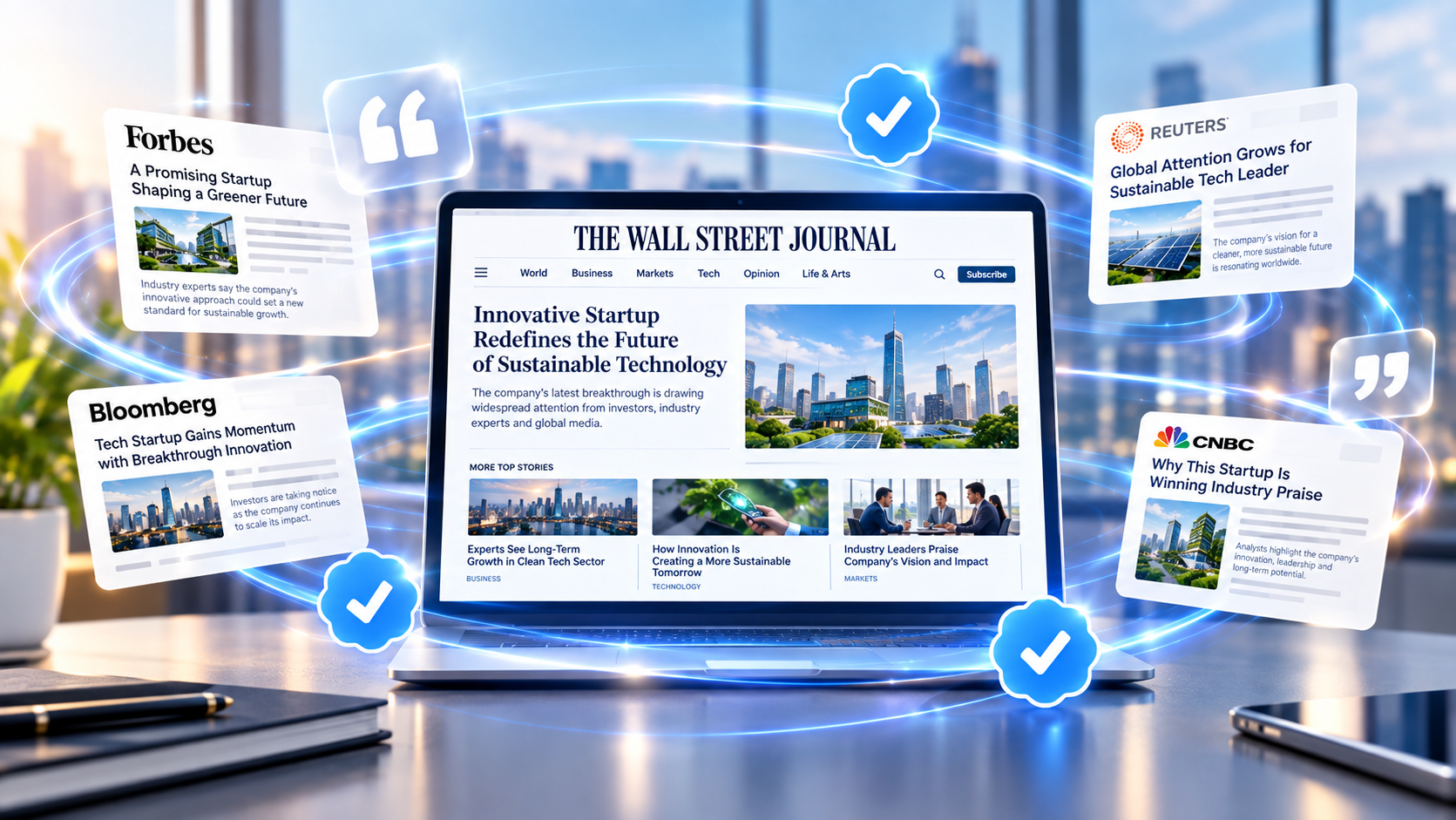
Earned media is becoming more valuable because it gives brands visibility they cannot simply buy. As audiences become more skeptical of ads and brand claims, coverage from independent media, experts, and communities can build stronger trust.
This guide explains what earned media is, how it works, the difference between Earned, Paid, and Owned Media, some limitations of earned media, and how brands can build a strategy to earn meaningful media coverage.
What Is Earned Media?
Earned media is unpaid, organic media coverage and public attention generated when independent third parties, such as customers, journalists, industry professionals, and online communities, voluntarily choose to speak about your brand. It is often seen as a digital form of word-of-mouth (WOM).
Simply put, earned media is what people say about your business when you aren’t paying them, running ads, or scripting their words. Because it is unscripted, it represents pure, earned trust that can result in overwhelmingly positive advocate buzz or critical public feedback (eMarketer, 2010).
What Counts as Earned Media Today?
Earned media has expanded beyond traditional PR as consumers use more platforms and sources to discover, evaluate, and discuss brands.
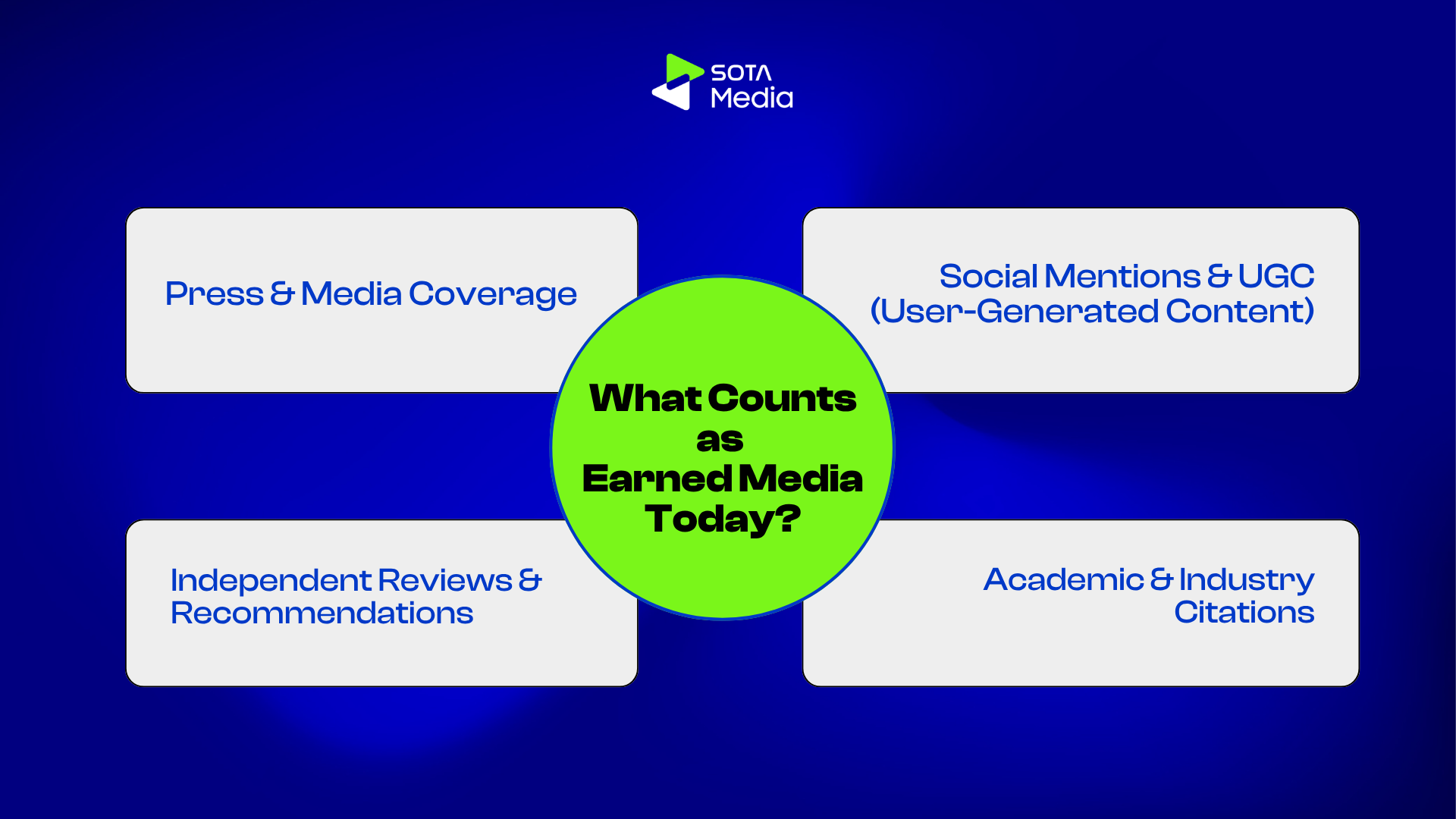
Press & Media Coverage
This includes unpaid news articles, trade media features, TV interviews, podcast appearances, and expert quotes in publications. These forms of earned media help build category legitimacy and strengthen institutional credibility.
Social Mentions & UGC (User-Generated Content)
This includes organic social shares, unsponsored TikTok or YouTube content, LinkedIn discussions, and community conversations on platforms such as Reddit. These mentions can expand organic reach and increase brand awareness without paid promotion.
Independent Reviews & Recommendations
This includes unbiased ratings and as well as technical product reviews on platforms such as Google Reviews, Trustpilot, G2, and Capterra. These reviews provide social proof, validate product features, and reduce perceived risk during the buying process.
Academic & Industry Citations
This includes mentions in technical papers, conference presentations, and industry benchmarks. They help establish long-term expertise and strengthen a brand’s thought leadership.
Earned Media vs. Paid Media vs. Owned Media
To build an effective media strategy, marketers must understand how earned media works alongside the other core pillars of the PESO Model® (Paid, Earned, Shared, Owned). While paid media buys exposure, earned media builds long-term authority through authentic, third-party validation.
Key Differences Between Earned, Paid, and Owned Media
| Media Type | Definition | Primary Examples | Key Advantage | Main Limitation |
|---|---|---|---|---|
| Earned Media | Organic publicity generated voluntarily by independent third parties | Unpaid Press Features, Organic Reddit Mentions, Unsolicited G2/Yelp Reviews, Customer WOM | High credibility & trust: Delivers unmatched third-party validation with zero direct media spend | Limited control over the narrative; reach and volume are difficult to predict |
| Paid Media | Exposure generated by paying external platforms or publishers to distribute content | Google Search Ads, Sponsored Social Posts, Display Banner Ads, Paid Influencers | Fast reach and control: brands can control messaging, timing, targeting, and budget | Requires ongoing budget and typically carries lower trust than organic recommendations |
| Owned Media | Branded content and digital channels fully owned and controlled by your business | Company Website, Official Blog, Email List, Proprietary Whitepapers | Full control: brands manage content, branding, distribution, and lead-generation processes | Lower initial trust; requires time and distribution effort to build an audience |
The PESO Model® was created by Gini Dietrich of Spin Sucks
How the Three Media Types Interact
Rather than operating in isolation, the most effective marketing strategies integrate all three media types to maximize brand growth and revenue outcomes. The three media types work best when used together. Owned Media builds the content foundation, Earned Media adds third-party credibility, and Paid Media expands reach.
- Owned Media Fuels Earned Media: High-quality content such as original research, whitepapers, case studies, and product insights can give journalists, experts, and customers a reason to mention and share your brand.
- Earned Media Strengthens Paid Media: Quotes from major press features, G2 badges, or customer review stars can be embedded into paid search and social ads. Showing third-party validation significantly boosts ad click-through and conversion rates.
- Paid Media Amplifies Earned Media: When you earn a prestigious news mention or viral user review, you can run paid promotion behind that specific coverage to extend its reach beyond its initial organic lifespan.
How Earned Media Drives Impact?
Earned media can create value beyond brand awareness. Its impact comes from three key strengths: building trust, expanding organic reach, and influencing purchase decisions.
Earned Media Builds Trust and Credibility
Earned media comes from independent sources such as journalists, customers, industry professionals, or analysts rather than the brand itself. Because it comes from an objective third party, earned media carries an immediate, inherent level of trust and authority that advertising cannot replicate.
Earned Media Expands Reach and Lasts Longer
Social media allows reviews, recommendations, and discussions to spread quickly through shares and online communities. These mentions can also remain discoverable through search engines and review platforms, giving earned media a more durable effect.
Earned Media Influences Purchase and Revenue
Earned media can directly support purchase decisions by helping consumers evaluate products through reviews and recommendations. Earned media can also outperform traditional advertising in some cases. A Facebook earned-media campaign for Nestlé Toll House generated a 3% response rate, compared with 0.02-0.04% for traditional banner ads, while the campaign was also associated with a 16% increase in brand awareness and a 17% increase in purchase intent.
Why Earned Media Should Be a Core Part of Your Marketing Strategy?
Integrating earned media into your core marketing strategy yields four main benefits:
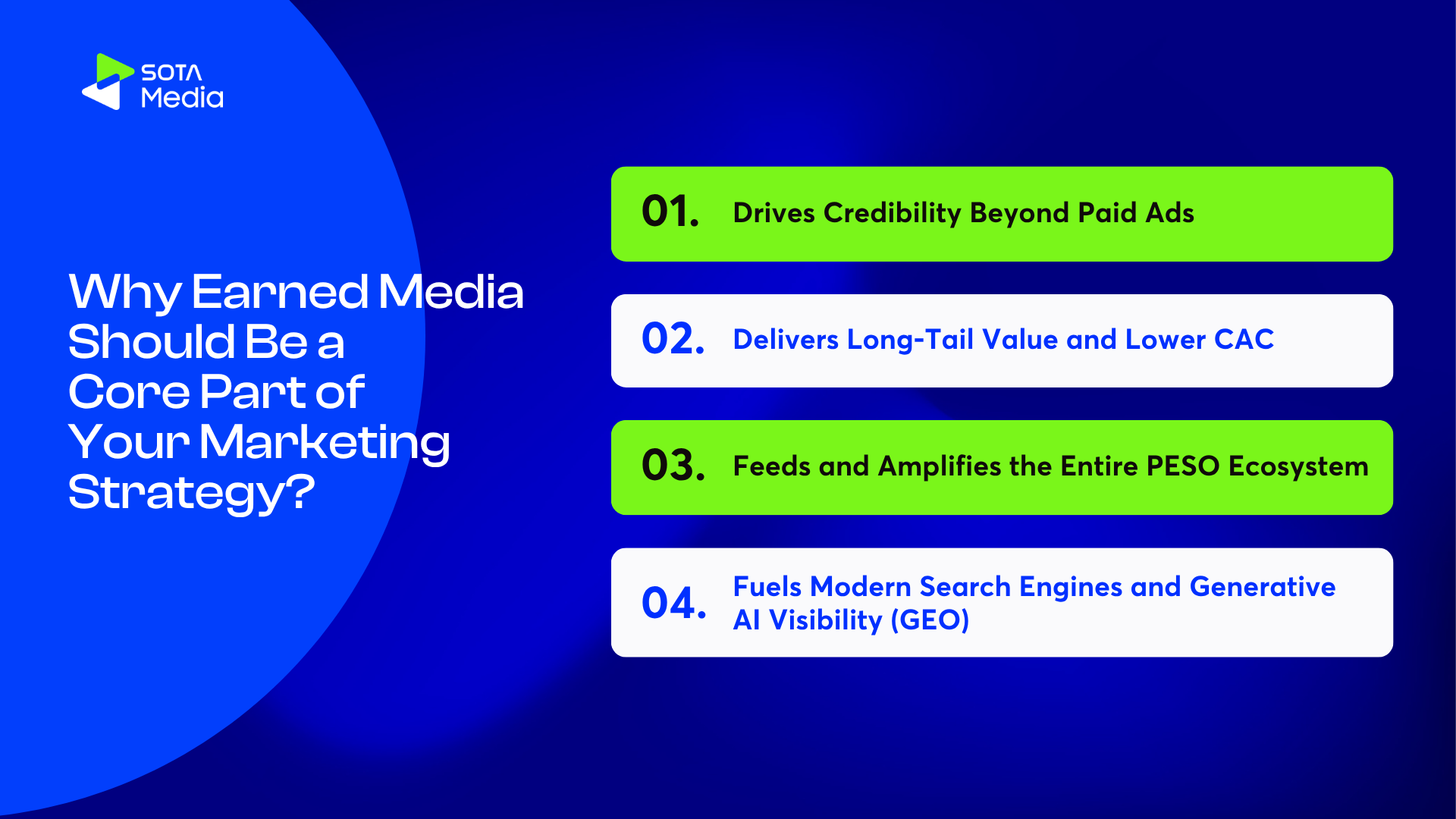
Drives Credibility Beyond Paid Ads
As consumers become more skeptical of repetitive advertising, third-party recommendations and reviews offer a more credible source of information. Nielsen (2012) found that 92% of consumers trust recommendations from friends and family, while 70% trust online reviews, compared with only 36% who trust sponsored social ads. This independent validation reduces buyer skepticism and strengthens brand credibility, making earned media a valuable growth driver beyond a PR bonus.
Delivers Long-Tail Value and Lower CAC
Paid media stops generating results when the budget runs out, while earned media can continue attracting prospects long after publication. Online reviews, forum discussions, and digital press coverage remain discoverable through search engines, creating lasting organic visibility. Over time, this can reduce Customer Acquisition Cost (CAC) and support sustainable growth.
Feeds and Amplifies the Entire PESO Model® Ecosystem
Earned media can strengthen all three other parts of the PESO model®. Media coverage and customer reviews provide content for Owned Media, press mentions and ratings add credibility to Paid Media, while media features and UGC encourage more engagement and sharing on Shared Media.
Fuels Modern Search Engines and Generative AI Visibility (GEO)
Search engines and AI-powered search rely on signals of authority, relevance, and trust to identify useful sources. Press mentions, reputable backlinks, and genuine customer reviews strengthen these signals, helping brands become more discoverable in search and AI-generated answers. Greater discoverability can bring more qualified traffic, consideration, and potential customers, making earned media a valuable driver of organic growth.
Earned Media Examples and Case Study: OpenAI’s ChatGPT Launch
Context & Background
In November 2022, OpenAI launched ChatGPT as a free Research Preview. Unlike traditional tech product launches, ChatGPT initially relied heavily on organic attention rather than a large paid media campaign. Its growth was driven by users sharing their experiences and media outlets covering the product.
How Earned Media Worked
The ChatGPT launch created a strong chain reaction across two key forms of earned media:
- Social Mentions & UGC
Developers, founders, and tech enthusiasts shared their ChatGPT experiences on platforms such as X and LinkedIn. Screenshots, AI-generated code, and creative use cases gave potential users real examples of what the product could do, driving further organic discussion. - Unprompted Press Coverage
As online conversations grew, major technology and business publications such as TechCrunch, The Verge, The New York Times, Financial Times, and The Wall Street Journal published reviews, analysis, and commentary, further expanding its reach beyond social media. This created a feedback loop: user adoption generated discussion, discussion attracted media coverage, and media coverage brought in more users.
Results
ChatGPT reached 1 million users within five days and 100 million monthly active users within roughly two months, making it one of the fastest-growing consumer internet applications at the time. The product generated widespread social discussion and extensive media coverage without relying primarily on paid distribution, turning ChatGPT into a global technology conversation.
Why It Worked
- Product-Led Growth & Shareability: The product was simple to use but produced immediate “wow” moments. Users naturally shared interesting outputs and use cases, effectively turning customers into distribution channels.
- Third-Party Credibility: Seeing real experiences shared by users and covered by independent media made the product more credible than a purely promotional message. This helped ChatGPT overcome skepticism toward AI marketing claims
- Curiosity and Public Debate: OpenAI allowed the public to experiment with the product at scale, which also created debate around AI risks, academic cheating, and job displacement. Both positive and critical discussions kept ChatGPT at the center of online and media conversations, driving continued search interest and organic attention.
Key Takeaway: The ChatGPT launch shows that Earned Media is not simply about getting press coverage. It starts with giving people a reason to talk, share, and recommend your brand. A valuable, newsworthy, and shareable product can turn users and independent media into organic distribution channels, creating momentum that brands can build on through a deliberate Earned Media strategy.
So, how can brands create the same momentum? The next section breaks down the key strategies for earning meaningful media coverage.
How to win earned media coverage
Winning high-impact earned media requires shifting from self-serving promotion to creating genuine value for journalists, creators, customers, and online communities.
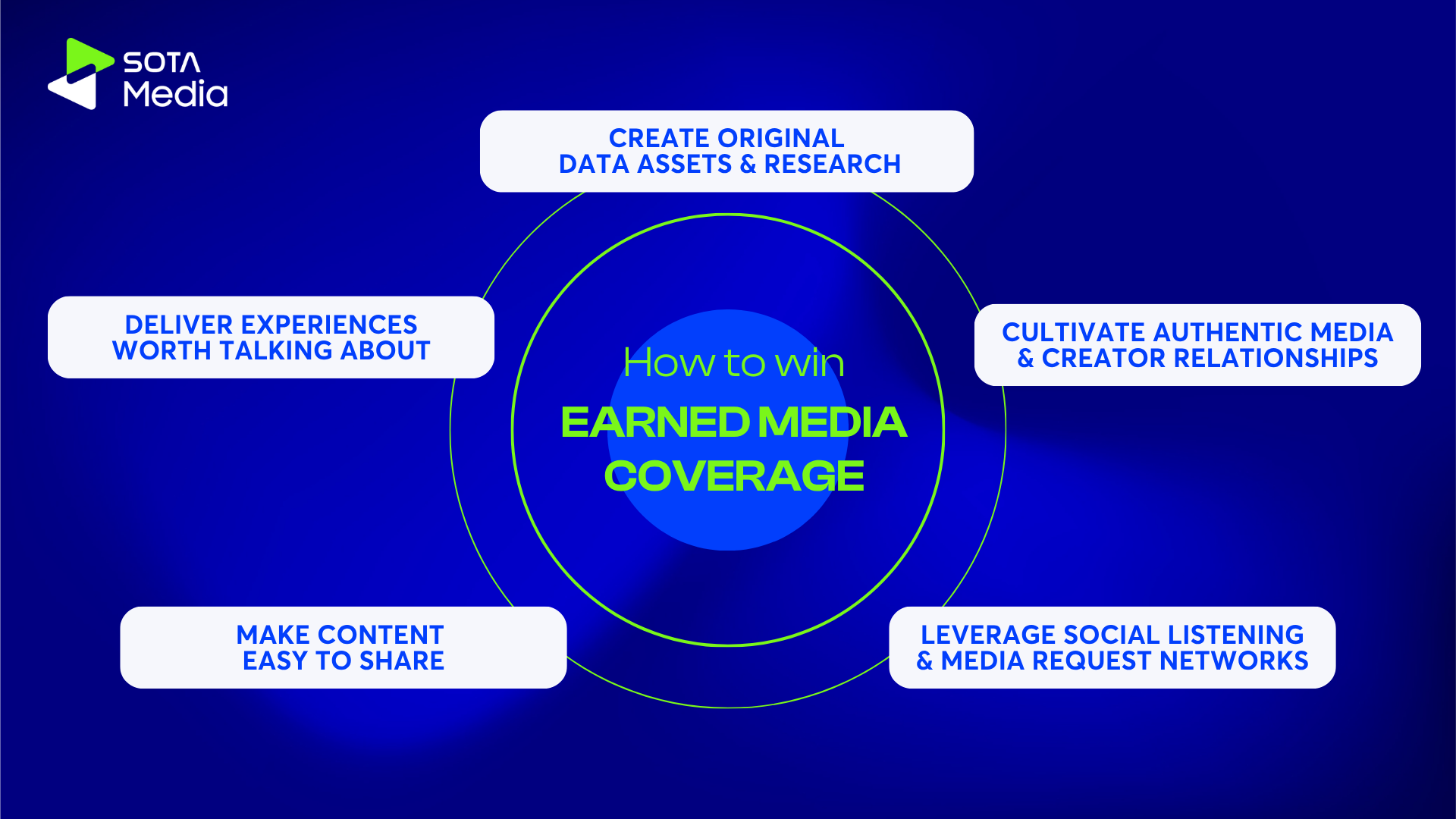
Create Original Data Assets & Research
Journalists and industry analysts look for original data to support their stories. Conduct surveys, analyze internal trends, or publish industry reports to provide exclusive statistics that make your brand a valuable source for media coverage
Cultivate Authentic Media & Creator Relationships
Build relationships with journalists, podcast hosts, and industry commentators before you need coverage. Engage with their work, share useful insights, and position your team as a reliable industry resource rather than simply promoting your brand.
Leverage Social Listening & Media Request Networks
Monitor brand mentions, industry conversations, and relevant media opportunities through social listening tools. Respond to journalist requests on platforms such as Connectively (formerly HARO) and relevant social media hashtags to provide expert commentary and earn media mentions.
Make Content Easy to Share
Give audiences a reason and an easy way to share your content. Add clear social sharing features, host engaging discussions, and design memorable brand assets that inspire customers to share their experiences across their own social networks
Deliver Experiences Worth Talking About
Exceptional customer experiences are one of the strongest foundations for positive word-of-mouth. When customers receive genuine value, they are more likely to leave positive reviews, recommend the brand, and share their experiences publicly.
Limitations and Challenges of Earned Media
While earned media can build strong credibility and organic reach, it also comes with challenges that marketers cannot fully control.
Limited Control Over the Narrative
Brands cannot decide exactly what journalists, customers, or communities say about them. Positive coverage can therefore shift quickly when customers have negative experiences or media reports present a story differently from the brand’s intended message.
Unpredictable Results & Difficult Scaling
Unlike paid media, where increasing ad spend can directly increase reach, earned media cannot be guaranteed or bought on demand. Media coverage depends on factors such as newsworthiness, timing, audience interest, and third-party willingness to share, making results harder to predict or scale.
Hard to Track Business Impact
It is difficult to know exactly how much earned media contributes to business results. A customer may see a review, read a news article, and visit the website before making a purchase, making it hard to identify which interaction led to the conversion. Marketers therefore need tools such as media monitoring, brand lift surveys, and attribution models to track its impact on traffic, leads, and sales.
Conclusion
In an era of ad fatigue and consumer skepticism, earned media has evolved from a PR tactic into a powerful driver of trust, organic visibility, and sustainable growth. When integrated with Paid, Shared, and Owned Media, it helps brands build credibility and stay visible.
If you are looking to build an effective Earned Media strategy and turn organic coverage into meaningful business results, Sota Media can help. We provide expert guidance on identifying the right opportunities, developing a practical approach, and earning credible coverage that strengthens your brand and supports business growth.
Frequently asked questions
Paid Media requires brands to pay for distribution, such as Google Ads or sponsored posts, while Earned Media comes from unpaid third-party mentions, reviews, recommendations, and organic shares. Paid Media offers more control, while Earned Media relies more on trust and organic interest.
Earned Media ROI can be measured through media reach, brand mentions, organic traffic, backlinks, leads, conversions, and changes in CAC. Because its impact can span multiple touchpoints, brands may also use attribution models and customer surveys to understand its contribution.
Yes, but working with a specialized agency can be a more efficient option. Startups can earn media through original insights, useful content, journalist outreach, and community engagement. However, partnering with an agency can help them access relevant media networks, identify better opportunities, and execute campaigns more efficiently without building an in-house PR team.
Third-party mentions, reviews, and expert discussions can strengthen a brand’s online authority and relevance, helping it become more discoverable across search engines and AI-powered platforms. The more credible sources that reference a brand, the stronger its overall digital presence can become.
Respond quickly, acknowledge the issue, and focus on resolving the underlying problem rather than trying to suppress negative feedback. Brands should also encourage satisfied customers to share genuine experiences to build a more balanced and credible online presence.