



Omnichannel Digital Marketing
ChatGPT SEO is the practice of structuring content so ChatGPT can find, understand, and cite it as a source. It differs from ranking SEO in one basic way: there is no results page to rank on.
ChatGPT pulls from indexed content and live search results, then weighs clarity, structure, and source credibility when it decides what to cite in an answer.
This guide covers how ChatGPT selects sources, the content and technical signals that raise your odds of citation, and how to check whether any of it is working.
Key takeaways
- ChatGPT SEO optimizes for citation, not ranking position.
- Direct-answer content in the first 100 words gets extracted more reliably than content buried under a narrative lead.
- Structured data, named entities, and a clear H2/H3 hierarchy help ChatGPT parse what a page is actually about.
- Citation tracking needs new tools. Google Search Console does not report ChatGPT referrals.
What ChatGPT SEO means
ChatGPT SEO is the set of content and technical practices that make a brand’s pages easier for ChatGPT to retrieve, understand, and cite in its answers. There are no rankings and no search results page here. The unit of success is whether ChatGPT names your brand in a generated response, not where you sit on a list of links.
ChatGPT SEO sits under GEO, generative engine optimization, the broader discipline covering how brands get cited across AI-generated answers. ChatGPT SEO is one channel inside that discipline, specific to how ChatGPT itself retrieves and cites content.
How ChatGPT decides what to cite
ChatGPT draws from two source pools: what it learned during training, and what it retrieves live from the web when a query calls for current information.
Retrieval vs. generation
When ChatGPT search is available, it can turn a request into one or more search queries, retrieve relevant results, and generate an answer with links to sources, according to OpenAI’s own documentation on searching the web with ChatGPT. Retrieval runs as a separate step from generation: a search layer finds and reads pages first, and the model then writes the answer and attaches citations to the pages it used.
This matters for content structure. A page has to survive the retrieval step, being findable and parsable, before it has any chance of surviving the generation step, being worth citing.
Signals that influence source selection
A 2023 paper from Princeton, Georgia Tech, the Allen Institute for AI, and IIT Delhi, GEO: Generative Engine Optimization, tested nine content strategies against a simulated generative engine and found that some combinations lifted a source’s visibility in generated answers by up to 40%. The strategies that moved the needle centered on adding statistics, citing sources, and writing in a clear, quotable structure, not on keyword volume.
Clarity of the direct answer, structured markup, page authority, freshness, and named entities all play into which sources a generative engine pulls into its response.
Why citation is not guaranteed in ChatGPT SEO
No platform can guarantee that ChatGPT will cite a specific page. ChatGPT selects sources based on the query, the information available at the time, and how well each page supports the answer. A page may be cited for one query and skipped for another, even when both questions cover the same topic.
ChatGPT SEO improves the factors you can control. Clear answers, specific claims, named sources, and a structure that makes information easy to retrieve can increase your chances of being cited. They cannot lock in a citation because the final source selection remains outside your control. Any agency promising guaranteed ChatGPT citations is therefore offering a result it cannot reliably guarantee.
ChatGPT SEO ranking factors in 2026
The factors that most consistently correlate with citation are content clarity, entity and source authority, freshness, structured data, third-party corroboration, and clean technical access for AI crawlers. None of these has a published weight, and any number attached to them is a guess, not a documented fact.
- Content clarity and directness. Pages that answer a question in a self-contained paragraph get extracted. Pages that build to a conclusion across 600 words of preamble don’t.
- Source authority and entity consistency. A brand needs to read as one consistent entity across the web: same name, same description, same associations. Fragmented signals make it harder for ChatGPT to retrieve the brand confidently.
- Freshness. Recency carries more weight in AI retrieval than in classic ranking. A 2023 comparison page is a weak candidate in 2026.
- Structured data. Schema doesn’t cause citations. It makes content machine-parseable, raising the odds a passage gets understood correctly.
- Third-party corroboration. Independent mentions validate what a brand’s own site claims. It’s the single most underweighted factor on this list.
- Technical crawlability. If OAI-SearchBot can’t fetch the page, nothing else on this list matters.
Confirmed versus inferred: crawler access and index presence are prerequisites, confirmed directly in OpenAI’s own crawler documentation. The relative weight of the other five factors is inferred from observed citation patterns, not from anything OpenAI has published. Treat this list as a working hypothesis to test with prompt tracking, not a fixed formula.
Content structure that increases citation odds
Answer the question in the first 100 words
A page that opens with three paragraphs of context before answering the query buries the one part ChatGPT is most likely to extract.
Bad lead: “In today’s competitive digital landscape, businesses face many challenges when it comes to online visibility…”
Good lead: “ChatGPT SEO is the practice of structuring content so ChatGPT can cite it as a source.” State the answer first, then explain.
Use named entities and specific numbers
ChatGPT SEO is more likely to cite a claim when the source and result are clear. For example, “11% free-to-paid conversion, [Company], [year]” gives the model a specific result, company, and timeframe to reference. By contrast, phrases like “significant results” or an unsupported round number give it little context to cite accurately.
Build extractable blocks: definitions, comparisons, steps
Content that makes sense pulled out of its page context – a definition, a comparison table, a numbered process – gets extracted more often than a paragraph that only works inside the surrounding narrative. Write each block so it stands alone.
FAQ sections written for how people actually ask ChatGPT
Phrase FAQ questions the way a person types them into ChatGPT, not the way a marketer titles a blog section. Answer directly in the first sentence, then add detail. Do not repeat body copy word for word. A repeated block gives ChatGPT nothing new to extract.
Technical signals that support citation
Let GPTBot and OAI-SearchBot crawl the site
OpenAI runs separate crawlers for separate jobs, and each one has its own robots.txt tag, per OpenAI’s crawler documentation. OAI-SearchBot surfaces pages in ChatGPT’s search results; a site that disallows it will not appear in ChatGPT’s cited answers, though it can still show up as a plain navigational link. GPTBot is used for model training and can be disallowed independently, without affecting search visibility.
Blocking OAI-SearchBot by default, often done accidentally through a blanket AI-bot rule, removes a brand from ChatGPT citations entirely.
Structured data and schema markup
Article, FAQ, and Organization schema give ChatGPT and other crawlers a machine-readable map of what a page is and who published it. Schema does not force a citation, but it removes ambiguity a generative engine would otherwise have to guess at.
Page authority and backlink signals still matter
ChatGPT SEO still weights the same authority signals as traditional search. This is not a separate universe from SEO fundamentals. A page with no backlinks and no domain authority struggles to get cited here for the same reasons it struggles to rank anywhere else.
Freshness and update cadence
Time-sensitive queries favor recently updated pages, while an evergreen definition holds its value without a monthly refresh. Update the pages tied to current data, pricing, or fast-moving topics on a real cadence. Leave a stable definition alone unless the underlying fact changes.
Common mistakes that keep brands out of ChatGPT answers
Burying the answer under a narrative intro
Three paragraphs of scene-setting before the direct answer means ChatGPT has to work past all of it, or skip the page. Answer first.
No named entities, no sourced numbers
A page full of “many businesses” and “significant improvement” gives ChatGPT nothing specific to attribute. Replace every vague claim with a number, a name, or a date.
Blocking AI crawlers by default
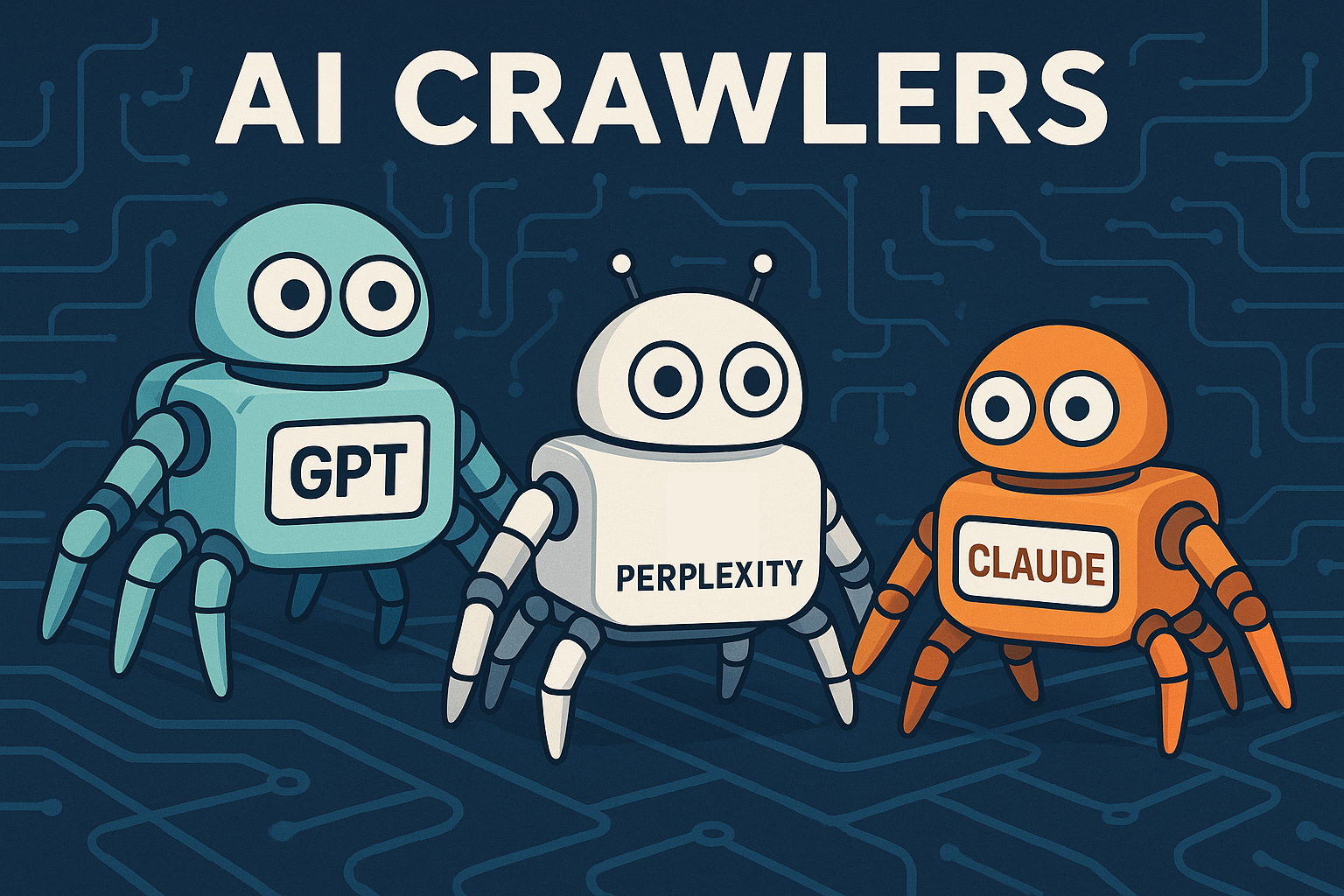
Some CDNs and security plugins block all AI bots as a default setting. That default can quietly remove a brand from ChatGPT citations, GPTBot included, without anyone on the team deciding to opt out.
Treating ChatGPT SEO as a one-time project instead of a maintained system
A page optimized once and left alone loses ground as competitors update their content and ChatGPT’s retrieval behavior shifts. Review content on a cadence tied to how fast the underlying facts move, the same discipline as any other SEO asset.
How to measure ChatGPT SEO performance
Prompt testing
Run a fixed set of buyer-intent prompts against ChatGPT on a regular schedule, and log whether and how the brand gets cited. This is a manual process today. There is no dashboard equivalent to Google Search Console for ChatGPT citations yet.
Referral tracking
ChatGPT automatically appends the parameter “utm_source=chatgpt.com” to referral links, which means standard analytics platforms can isolate that traffic once a site allows OAI-SearchBot to crawl it, according to OpenAI’s publisher documentation. Filter for chatgpt.com and openai.com referrals in your existing analytics setup rather than waiting on a purpose-built tool.
Tips for ChatGPT SEO 2026
Seven checks worth running before you touch anything else. Do them in this order, since a blocked crawler makes every content fix downstream irrelevant.
- Audit robots.txt first. Confirm OAI-SearchBot and GPTBot are not disallowed by a blanket AI-bot rule. This is a five-minute check that most teams skip.
- Add Organization schema site-wide. Not just on the homepage. A generative engine trying to confirm who SotaMedia is should find the same entity data on every page, not just one.
- Write one standalone definition block per core topic page. Under 100 words, no pronouns pointing outside the block. If it cannot be pulled out and still make sense, rewrite it.
- Put a number and a name on every claim. Replace “many companies” and “significant results” with a client, a date, or a percentage. If none exists yet, mark it [unverified] and get it sourced before publishing.
- Set two update cadences, not one. Evergreen definitions get reviewed twice a year. Anything tied to pricing, benchmarks, or fast-moving topics gets reviewed monthly.
- Run prompt testing on a fixed schedule. Same 10 to 20 buyer-intent prompts, logged monthly, so you can see whether citation is improving or slipping, not just whether it happened once.
- Add a standing referral segment for chatgpt.com and openai.com. Build it once in your analytics tool instead of pulling it manually every time someone asks whether ChatGPT SEO is working.
Conclusion
A page earns a ChatGPT SEO citation when it answers the query directly and gives ChatGPT something specific to trust. Clear structure and accessible content make that answer easier to find and cite. Test your top 10 buyer-intent prompts in ChatGPT SEO this week. Check which pages get cited, then use those results to decide what your content needs to improve.
If you need help turning that test into a repeatable citation system, SotaMedia is one option to consider, with experience connecting content structure, GEO, and the technical work behind crawlable pages.
Frequently asked questions
ChatGPT SEO is the practice of structuring content so ChatGPT can retrieve it, understand it, and cite it as a source in a generated answer. It sits under the broader GEO umbrella but applies specifically to ChatGPT's search and citation behavior.
No. Traditional SEO optimizes for a ranked position on a results page. ChatGPT SEO optimizes for being named inside a generated answer, where there is no ranking, only inclusion or exclusion.
Not directly. OpenAI's documentation describes ChatGPT's search feature as turning a request into search queries, retrieving results, and generating an answer with citations, weighing signals like clarity, structure, and source credibility rather than reading a page's Google position.
Run a fixed set of buyer-intent prompts against ChatGPT on a regular schedule and log the results, and check analytics for referral traffic from chatgpt.com. Standard rank trackers will not show this.
Blocking GPTBot or OAI-SearchBot in robots.txt removes a brand from ChatGPT's live retrieval pool. Allowing them is a prerequisite for citation, not a guarantee of it. The two settings are independent, so you can allow OAI-SearchBot for citation while still disallowing GPTBot for training.
Not rewritten from scratch. It needs a direct answer in the first 100 words, named entities and sourced numbers instead of vague claims, and content blocks that make sense pulled out of context, such as definitions, comparisons, and FAQs.
No. No platform guarantees citation. The practices in this guide increase the odds. They do not lock in a result.
There is no fixed timeline, and no credible source publishes an average. Crawl frequency, existing domain authority, and how fast you fix the technical and content signals above all affect how soon a page starts getting cited. Treat it as an ongoing measurement cycle, not a one-time fix with a deadline attached.