

Google I/O 2026 Recap: What It Means for Your Marketing Team


Table of Contents
Key Takeaways
- Google Search now generates interactive AI answers instead of returning links. Click-through traffic from organic search will continue to fall for most queries.
- The new goal is being cited inside AI answers, not ranking at position one. This is what Generative Engine Optimization (GEO) addresses.
- Gemini Spark and Universal Cart mean a large portion of research, comparison, and purchasing now happens inside an AI layer before a human ever reaches your website or your ad.
- B2B outreach and newsletters go through an AI inbox filter before your prospect reads them. Structure and sender reputation matter more than before.
- Ask YouTube makes video a real search asset for the first time. Short, specific videos that answer one question are more useful to this system than long-form webinars.
- Content that gets cited has three things in common: it answers a specific question directly, it uses real data with named sources, and it is structured so an AI model can extract a clean quote or summary.
- The brands that will maintain organic visibility are the ones with a content system, not just a content calendar.
Google I/O 2026 moved Google’s core products from passive tools to active agents. Search no longer returns links. It answers, acts, and runs in the background. For marketing teams, this changes two things: traffic from search will keep falling as AI answers the question before the click, and the brands that show up inside those AI answers will be the ones with structured, credible, well-published content.
What happened at Google I/O 2026?
Google I/O 2026 is Google’s annual developer conference, held virtually and at the Shoreline Amphitheatre in Mountain View, California, on May 19 and 20, 2026. This is where the company announces its biggest product updates across Search, AI, Android, and its broader ecosystem.
Google CEO Sundar Pichai opened the keynote with one line: “We are firmly in our agentic Gemini era.” What followed was over two hours of announcements, almost entirely focused on Gemini models, AI agents, and the shift from passive tools to autonomous systems.
If you work in product or engineering, a lot of the coverage focused on Antigravity 2.0, WebMCP, and Android 17. If you work in marketing, what matters is a smaller set of announcements that directly change how people find information, how they shop, and what filters their inbox before they ever see your message.
Here is what was announced and what it means for marketing teams:
Gemini 3.5 Flash
Gemini 3.5 Flash is Google’s new flagship model powering Search, the Gemini app, and the full Google product line. It delivers output tokens faster than competing frontier models and outperforms Gemini 3.1 Pro on the benchmarks Google uses to measure agentic task completion.
For marketers, the model itself is not the story. What matters is that Gemini 3.5 Flash is now the engine behind AI Mode in Search, meaning every AI Overview, every generated result, and every information agent running in the background is powered by it. The quality and speed of AI-generated answers just went up significantly, which accelerates the shift away from click-through traffic for informational queries.
Gemini Omni
Gemini Omni is a new multimodal model that generates and edits video through conversation. It accepts image, audio, video, and text as input and outputs video grounded in real-world knowledge, including consistent physics and character appearance across edits. DeepMind CEO Demis Hassabis described it as combining Gemini’s reasoning with Google’s best generative media models for a new level of world understanding.
For marketing teams, this matters on two fronts. AI-generated video is now a realistic content production tool, not just a demo. And Ask YouTube (covered below) makes video a real search asset, and Gemini Omni lowers the cost of producing it.
Gemini Spark

Gemini Spark is Google’s 24/7 personal AI agent. It runs continuously in the background, connects to Gmail, Docs, and Sheets, and takes action on your behalf based on what it knows about you. It does not wait for you to open an app. It monitors, reasons across your connected accounts, and acts.
Early access started with AI Ultra subscribers in the US, with broader rollout coming later in 2026.
For B2B marketers, this is the announcement with the most direct consequences. Gemini Spark handles inbox management through the Daily Brief feature, which scans Gmail and Calendar overnight to surface what matters. Your cold email, your newsletter, and your follow-up sequence all pass through this agent before your prospect reads them. Structure, sender reputation, and relevance are no longer nice-to-haves.
AI Mode and Information Agents in Search
Google called this the biggest upgrade to Search in nearly 25 years. AI Mode replaced the classic ten-link results page as the default experience for over a billion monthly users globally. The search box now expands dynamically to accept detailed prompts, images, files, and open browser tabs as input.
More significant than the interface change are the new background information agents: AI systems that run 24/7, monitor blogs, news sources, social posts, and real-time data; and send push notifications when something worth knowing surfaces. A user can instruct the agent to track a competitor, monitor an industry topic, or follow a specific market, and the agent does it continuously without being asked again.
For marketers, this compounds the click-through problem. When information agents are monitoring topics on behalf of users, a large portion of research and discovery happens before a person ever opens a browser tab. Being cited inside these agent outputs matters more than ranking on a page users may never visit.
Universal Cart
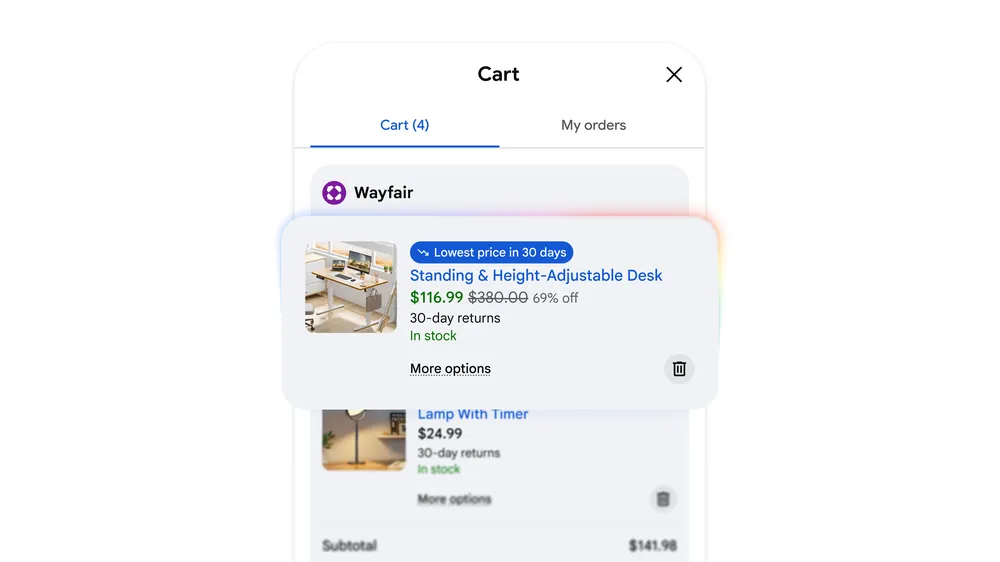
Universal Cart is Google’s AI-powered shopping hub. It aggregates products as users browse across Search, YouTube, Gmail, and other Google surfaces, tracks price drops and loyalty perks, and completes purchases directly using the Universal Commerce Protocol, a new standard for coordinating with merchant systems.
For e-commerce and B2C teams, the implication is direct: a meaningful portion of the checkout journey will move inside Google’s agent layer, not your website. Product data quality, feed accuracy, and pricing signals matter more than checkout page copy.
For B2B, the pattern is the same. Buyers are increasingly researching inside AI tools and reaching out only once a decision has already formed. Top-of-funnel content that feeds AI agents is not optional anymore.
Android XR Glasses
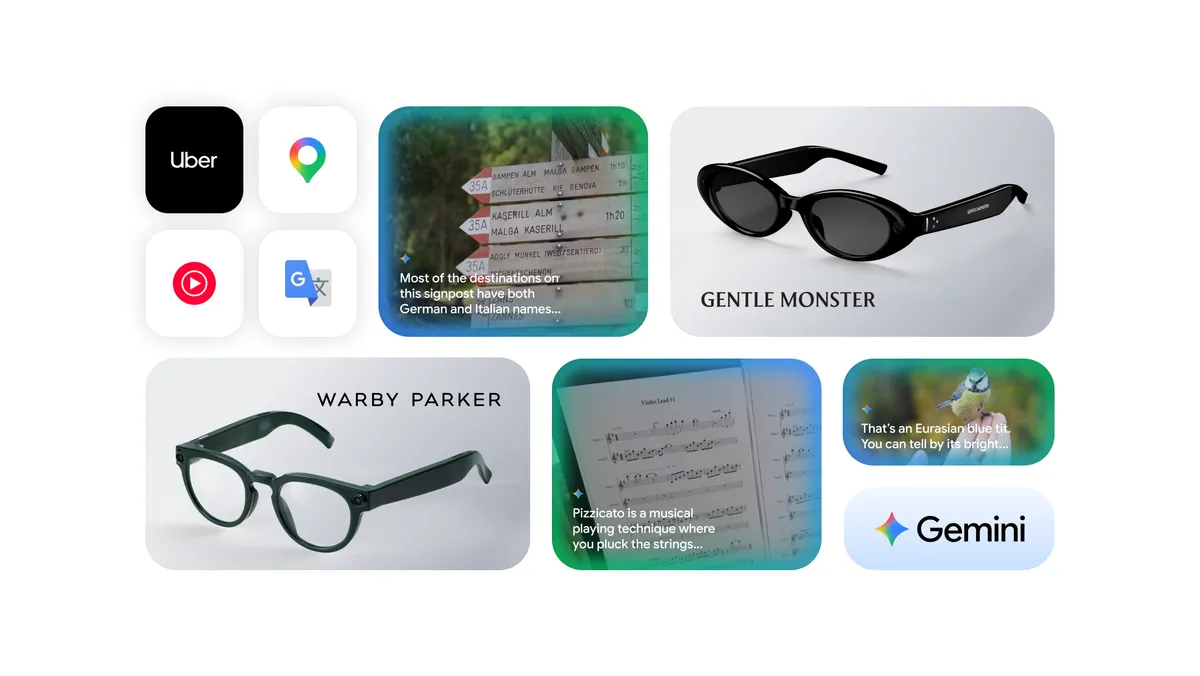
Google previewed Android XR smart glasses built with Samsung and design partners Gentle Monster and Warby Parker, with a second product from Xreal called Project Aura. Both ship in Fall 2026. The glasses run Gemini, have cameras and microphones built in, and support live navigation, real-time translation, and contextual information without pulling out a phone.
For most marketing teams, this is a watch item rather than an action item in 2026. The longer-term implication is a surface where AI mediates all information consumption, with no URL, no search page, and no feed to optimize for.
How search changed and what that costs you
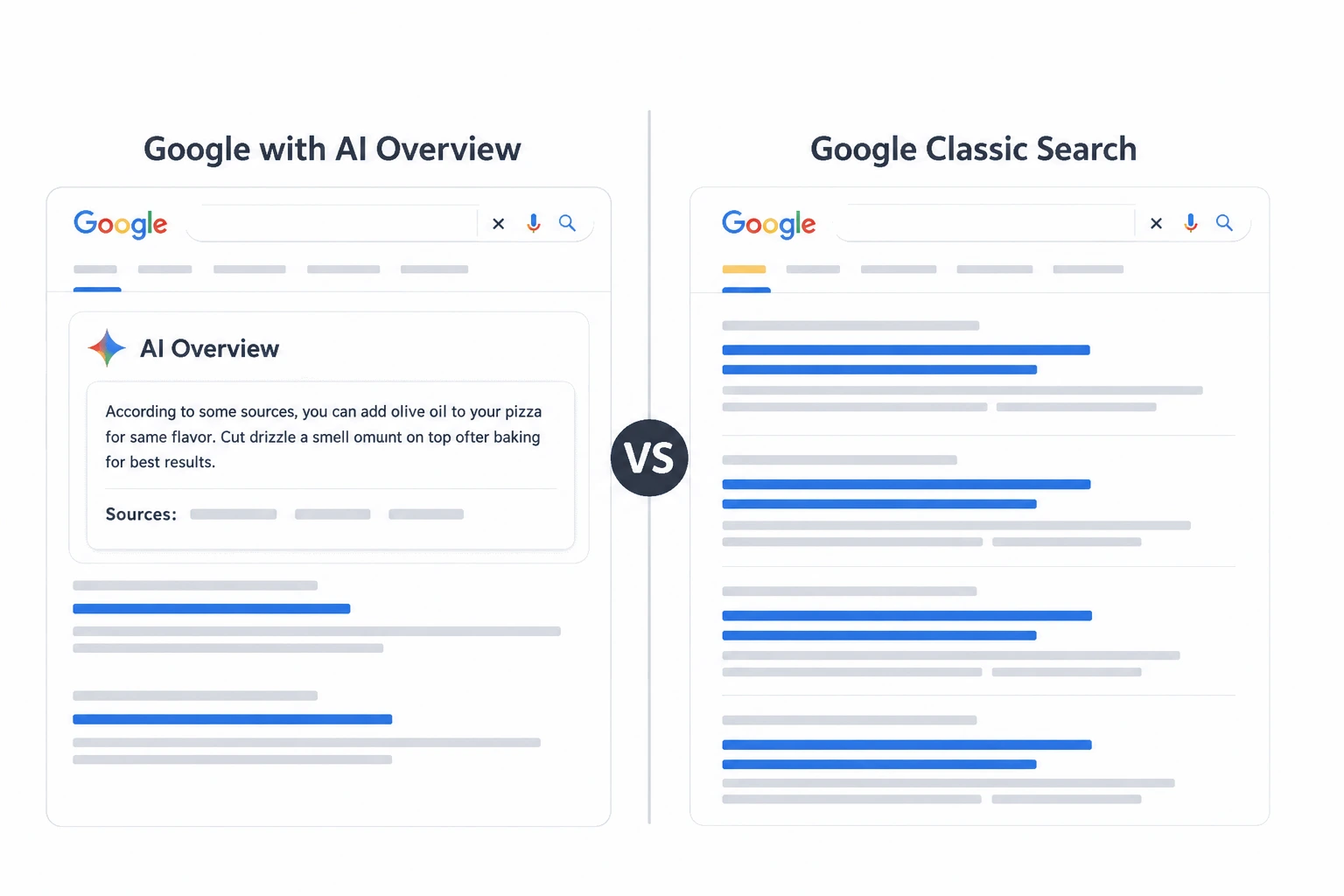
The classic results page, with ten blue links, a featured snippet, and maybe some ads, got replaced by an AI-powered interface that accepts text, images, files, and open browser tabs as input. The results are no longer static links. They are interactive AI Overviews: answers, tables, calculators, and generated interfaces assembled on the fly from content across the web.
What does this mean for organic traffic? The trend that started with Google’s AI Overviews rollout in 2023 accelerates from here. When the search result is the answer, there is less reason to click through to a website. The presence of an AI Overview now correlates with a 58% lower average CTR for the top-ranking page. Nearly 58.5% of US searches and 59.7% of EU searches are zero-click
This is not a reason to stop publishing content. It is the opposite. The AI still needs source material. It still cites specific pages, surfaces specific brands, and pulls from specific content when building those answers. The question is whether your content is the one it pulls from.
That shift, from ranking on Google to being cited by Google’s AI, is what the industry calls Generative Engine Optimization (GEO).
What content formats Google is now rewarding
Three format shifts came out of Google I/O 2026 that marketing teams should act on now.
Generative UI in Search.
Google can now build tables, calculators, timelines, and interactive tools on the fly from content it finds across the web. If your content has structured data, comparison tables, and clear factual claims, it becomes raw material for these generated interfaces. If it does not, it gets passed over.
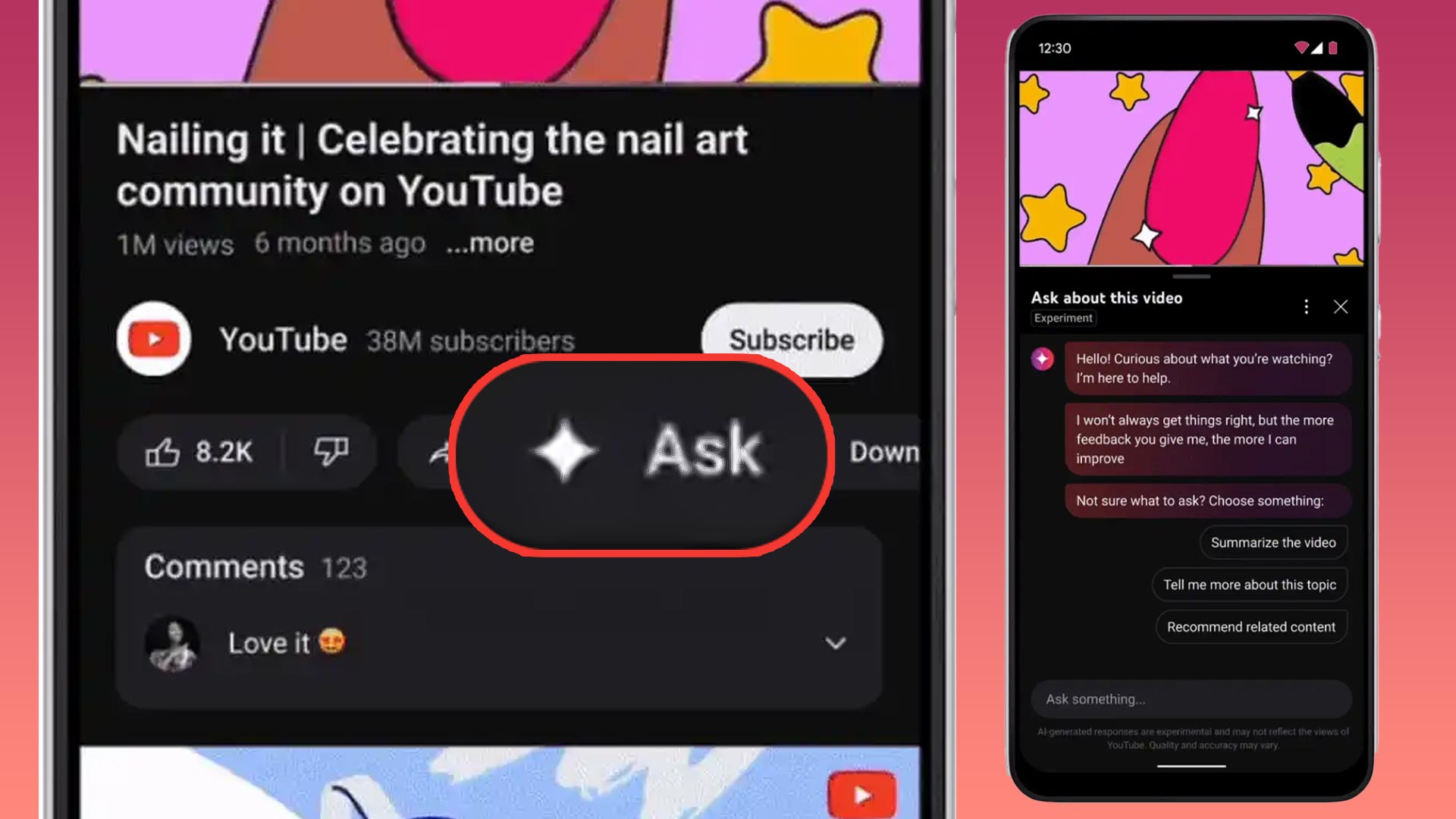
Ask YouTube.
YouTube now has a conversational search layer that pulls answers from long-form videos and Shorts. A user can ask a complex question and get a structured answer built from multiple videos without watching any of them in full. Video content is now a search asset, not just a social or awareness play. A product walkthrough, a client case study on camera, or a founder talking through a market problem: all of these are indexable, citable content in a way they were not two years ago.
AI-filtered inboxes.
Google’s AI Inbox in Gmail surfaces what matters and generates draft replies. If your cold email or newsletter does not clear that filter, whether because of structure, relevance, or sender reputation, it does not get read.
What this actually changes for your content strategy
None of this means start over. The fundamentals of content marketing did not change at Google I/O 2026. What changed is the bar for what counts as credible, citable content.
Structured answers beat long-form prose.
Gemini’s information agents scan for clear claims, specific numbers, and direct answers to specific questions. A 2,000-word article that buries its conclusions in narrative is harder to cite than a 600-word piece that states facts cleanly with named sources. The 2024 Princeton GEO paper finds that adding citations, expert quotes, and concrete statistics can boost a page’s inclusion in AI-generated answers by about 30-40%.
Named sources and real data beat vague consensus.
Content that says “AI adoption is rising” will not get cited. Content that says, “McKinsey reports that 20% of B2B companies are already using generative AI at scale for sales and marketing, making commercial functions one of the earliest adopters.” will get cited, if that number is accurate and sourced. The Gemini Omni and Ask YouTube announcements make this even more pressing: AI-generated video content will flood search results, and text content with real data and named sources is one of the few remaining ways to stand out.
Video now feeds search.
Ask YouTube changes the calculus on video production. With Ask YouTube, users can ask more complex search queries like asking Gemini, such as wanting tips on how to teach your kid to ride a bike, and it will compile the most relevant videos across all of YouTube’s catalog—including long-form videos and Shorts—and provide an interactive, structured response. So specific videos that answer one question each are more useful to this system than long-form webinars. The introduction of Gemini Omni, which is also integrated into YouTube, lowers the production cost and promotes this trend significantly.
Your content needs to mention your brand in context.
GEO does not just want you to rank. It wants AI models to associate your brand with the problems your clients have. Your content should name SotaMedia in the context of the services you provide, not just in an author bio.
Three things your marketing team should do this month
You do not need to rebuild your strategy because of one conference. But if you have been putting off the structural work, for example, fixing your content for clarity, setting up schema markup, or building a video presence, Google I/O 2026 is a good reason to move that up the list.
- Test how your brand appears in AI answers right now.
Open ChatGPT, Perplexity, and Gemini. Ask each one: “Who are the best [your service category] agencies in [your market]?” and see if your brand appears. If it does not, that is your baseline, and it is fixable through content. - Audit your top five content pages for AI citability.
Does each page answer a specific question directly in the first 200 words? Does it have real data with named sources? Is there a structured summary a model could lift verbatim? If not, those pages are ranking without being citation-worthy, and that gap will widen as AI Overviews take more of the traffic. - Put one video on your content calendar for next month.
It does not need to be produced. A founder talking for 90 seconds about a problem your clients face, uploaded to YouTube with a proper title and description, is a search asset under the new Ask YouTube model. Start there.
Conclusion
The content and structure changes Google I/O 2026 demands are not a one-week project. Getting your brand cited in AI answers requires a system: the right content format, schema markup, topical authority built over time, and a distribution strategy that puts your content where AI models actually look.
If you want to know where your brand stands in AI search right now, we start with a working audit, not a pitch deck. We look at your current setup and tell you directly what we would do differently. Contact us to see what we can do for you.